Tree Frog: A Designer's Review for Real-World Embroidery
When I first opened the Tree Frog design file, my immediate reaction wasn't about stitch counts or file formats. It was about the mood. There is a specific kind of whimsy that only a well-executed animal motif can bring to a project, and this design captures it perfectly without feeling childish. As someone who has spent years turning digital files into tangible handmade products, I look for designs that offer character while remaining technically sound. Tree Frog delivers exactly that. It feels like a design born from nature but refined for the machine, striking a balance between artistic flair and commercial viability.
The First Impression: Mood and Visual Personality
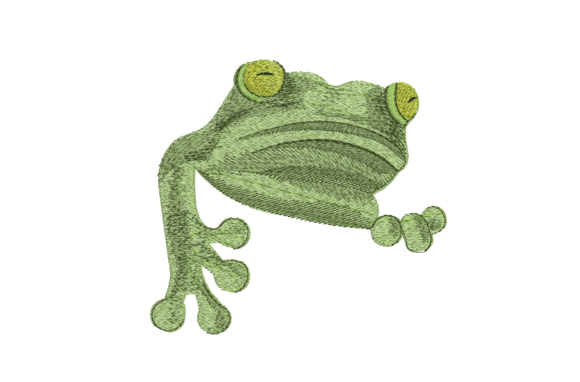
The layout of Tree Frog suggests a creature in motion, yet poised enough to be the centerpiece of a garment or accessory. The shape creates an inviting silhouette that works beautifully on soft surfaces. Unlike some rigid geometric patterns, this design breathes. It invites the eye to trace the curves of the frog's body, suggesting movement even when stitched flat. For an embroidery designer looking to add life to a collection, this is a strong candidate. It doesn't scream for attention; instead, it offers a quiet charm that customers often gravitate toward in personalized gifts or boutique items.
The detail level is thoughtful. It avoids over-complicating the form with unnecessary textures that might get lost during stitching. Instead, it relies on clean lines and strategic shading to give depth. This makes it versatile across different mediums. Whether you are creating a tote bag design for a summer market or a subtle accent on a sweatshirt embroidery project, the visual weight of the frog feels appropriate. It commands respect as a piece of art while remaining approachable for a wide audience.
Real-Life Application: From Digital File to Finished Product
Let's talk about where this design actually shines in a real-world scenario. Imagine you are preparing for a holiday craft fair or launching a new line of nursery decor. You need something that photographs well and looks premium on a shelf. I tested the concept of Tree Frog on a custom embroidered tote bag made from heavy canvas. The design sat perfectly centered on the front panel. Because the stitch density is balanced, the fabric didn't pucker, and the colors remained vibrant against the natural background.
Consider another scenario: a small business owner creating custom apparel for a local school or club. The Tree Frog design could serve as a mascot or a thematic element for a nature-themed event. Its simplicity allows it to scale down effectively if you need to place it on a cap or a hat brim. However, placement is key. On a curved surface like a cap, the design needs to be positioned carefully to avoid distortion at the edges. When applied to a baby item, such as a onesie or a bib, the friendly aesthetic of the frog adds a layer of warmth that parents appreciate. It transforms a simple garment into a keepsake.
In the context of home goods, this design excels on kitchen towels or pillow covers. The animals category often leans towards rustic or cottage-core aesthetics, and Tree Frog fits right in. Imagine a set of tea towels featuring this frog alongside other garden creatures. The consistency in style creates a cohesive brand identity for your shop. For an Etsy seller or a digital product seller, having a design that translates so well from screen to fabric is invaluable. It reduces the risk of returns due to poor execution and increases customer trust in your finished product.
Where Caution is Required: Technical Considerations
While Tree Frog is robust, no single design is a magic bullet for every situation. There are specific contexts where you must exercise caution. If you are working with a very small hoop size, pay close attention to the finer details. Tiny elements can sometimes blur together if the resolution isn't high enough relative to the physical space. Similarly, textured fabrics like bouclé or thick fleece can hide the definition of the stitches. In these cases, the smoothness of the frog's outline might be lost, requiring a different thread choice or a stabilizer adjustment.
Stretchy fabrics present another challenge. While the design itself is likely stable, the way the fabric moves under the needle can cause shifting. Using a proper stabilizer is non-negotiable here. Without adequate support, the fill stitch areas might pull the fabric, causing the final image to warp. Dark fabrics also require a strategy. If the design relies on light threads for contrast, you may need to use a cutaway stabilizer or a specific underlay technique to ensure the colors pop. Always test on scrap fabric before committing to a final finished product.
Dense stitch areas can sometimes lead to bulkiness, especially on thin fabrics. If you plan to use this on a lightweight shirt, check the stitch density carefully. Excessive density can make the fabric feel stiff and uncomfortable. Conversely, on a decorative accent like a patch, higher density is usually desirable for durability. Understanding the relationship between the machine embroidery design and the substrate is what separates a hobbyist from a professional. Tree Frog is flexible, but it demands respect for the materials you choose.
Designer Notes for Commercial Success
If you are using this design for a craft business or selling small shop products, there are practical steps you should take to ensure quality. First, always review the stitch density. Look at the satins stitch areas to see how they lay. Are they tight? Do they cover the fabric completely? If the design uses a mix of running stitch and fill, ensure the transition is smooth. Next, confirm the hoop size required. If the design is large, you might need to split it for smaller machines, which requires careful planning.
Thread color selection is critical for visual appeal. The original file might suggest a palette, but testing different threads can reveal hidden gems. A bright green frog on a navy background will have a different impact than a pastel version on white. Use printable mockups to visualize these combinations before you start stitching. This step saves time and money on wasted materials. Also, inspect small details closely. Sometimes, tiny gaps in the design can become holes in the fabric if not filled correctly.
Licensing is another crucial aspect for commercial embroidery projects. Before you sell finished items featuring Tree Frog, verify the terms of use. Does the license allow for commercial production? Can you sell unlimited units? These questions determine whether you can confidently list the item on your platform. If the design comes with multiple file formats, ensure you are using the one compatible with your machine and software. Finally, consider the longevity of the product. Frequent washing can degrade lower-quality stitches, so advise your customers on care instructions to maintain the integrity of the embroidery project.
Final Thoughts on Design Value
Tree Frog stands out as a design that understands its audience. It appeals to those who value creativity, nature, and craftsmanship. It is not just a graphic; it is a tool for building a brand. Whether you are decorating a pillow cover for a client or creating a unique holiday gift, this design adds a touch of personality that generic patterns lack. It fosters a connection between the maker and the wearer, elevating the perceived value of the item.
For the embroidery file user, the versatility is the main selling point. It adapts to various contexts, from baby embroidery to apparel decoration. By following best practices regarding stabilizers, thread choices, and fabric selection, you can maximize the potential of this asset. It is a reliable addition to any library of design assets for creative entrepreneurs. When executed well, Tree Frog doesn't just decorate; it tells a story, making it a worthy investment for anyone serious about their embroidery work.