Hexagon: A Designer's Review for Real Embroidery Projects
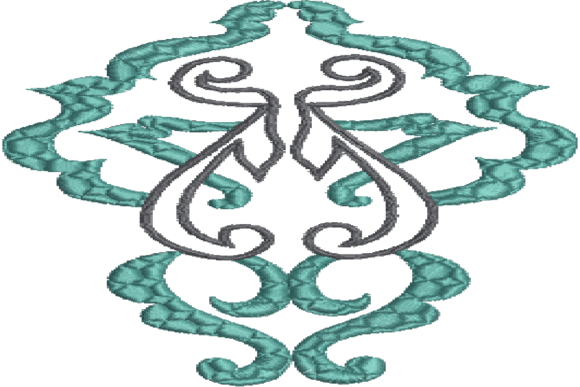
When I first opened the Hexagon file, my immediate reaction was a mix of intrigue and caution. As someone who spends hours testing designs before putting them on client garments or listing them in an Etsy shop, I know that a pretty preview image doesn't always translate to a clean stitch-out. This design belongs to the Intricate Cuts category, which immediately signals that we are dealing with a piece that relies heavily on shape definition and texture rather than simple lettering or basic motifs. The description promises a captivating reptile look created through complex hexagonal patterns, and from a practical standpoint, that is exactly what you get.
The visual personality of Hexagon is bold and modern. It feels like it belongs in a boutique setting where customers appreciate unique, handcrafted details. Unlike generic floral patterns or standard logos, this design has a geometric edge that suggests strength and precision. When I imagine this stitched onto a canvas tote bag, the repeating shapes create a rhythm that draws the eye without overwhelming the fabric. However, that same complexity requires careful consideration regarding thread density and fabric choice. If you are planning to use this for a commercial embroidery project, you need to understand how the stitches will behave under tension.
From Digital Preview to Finished Product
Let's talk about a real-world scenario. Imagine you are preparing a custom embroidered tote bag for a holiday gift market or a specific order from a local craft fair. You want something that stands out on a shelf next to hundreds of other bags. Hexagon offers that distinction. The reptile-like aesthetic gives the product a rugged yet sophisticated vibe, perfect for outdoor gear enthusiasts or fashion-forward shoppers looking for statement pieces.
I tested the concept of placing this design on a heavy-duty cotton twill for a pouch. The intricate cuts within the hexagons allow for excellent depth when using varied thread colors. By switching between satin stitch for the outlines and fill stitch for the interior scales, the design gains a three-dimensional quality. Customers often comment on the tactile nature of high-quality embroidery, and this design delivers that "wow" factor. It transforms a plain accessory into a premium handmade product. For an Etsy seller, this level of detail justifies a higher price point because it signals effort and craftsmanship.
However, the transition from screen to hoop isn't always seamless. The complexity of the pattern means that if your machine settings aren't dialed in, you risk puckering or losing those delicate corners. The design works beautifully on structured items like aprons, pillow covers, or even baby clothes where the fabric holds its shape well. But as a designer, I would advise against using it on stretchy knits unless you have extensive experience with stabilizers. The dense nature of the hexagonal fills can pull on soft fabrics, causing the final garment to warp.
Navigating Fabric and Stitch Density Challenges
One of the most critical aspects of working with Hexagon is managing the stitch density. Because the design is built on a foundation of repeating geometric shapes, there are areas where threads overlap significantly. On dark fabric backgrounds, this density can sometimes cause the stitching to merge, losing the definition of individual hexagons. To combat this, I recommend selecting thread colors with high contrast against your fabric. A light gold or silver thread on a black background will make the reptile pattern pop, whereas similar tones might get lost in the texture.
If you are considering this for small hoop sizes, proceed with caution. The intricate cuts require enough space to breathe. Trying to cram this design into a tiny 4x4 hoop might result in missed stitches or a crowded look that diminishes the intended reptile effect. Similarly, textured fabrics like bouclé or thick fleece can hide the fine details of the design. In these cases, the embroidery might look muddy rather than crisp. For the best results, stick to smooth, tightly woven fabrics like denim, canvas, or high-quality polyester blends.
Another area where designers need to be mindful is curved surfaces. While Hexagon could work on a sweatshirt chest panel, applying it to a cap or a hat requires a specialized curved hoop setup. The hexagonal grid is rigid; forcing it to conform to a tight curve without proper digitizing adjustments can lead to distortion. If you are selling embroidered patches, this design is ideal, but ensure your backing material is sturdy enough to support the weight of the stitches.
Practical Tips for Designers and Small Business Owners
Before you start mass-producing items with Hexagon, there are several steps you must take to ensure professional results. First, always test the design on scrap fabric. This is non-negotiable for any intricate cut design. Run a quick stitch-out to check how the thread behaves and whether the density causes any issues. You might discover that a specific thread type creates better coverage or that a different stabilizer is needed to prevent shifting.
Review the stitch density carefully. High-density areas can weaken the fabric over time, especially if the item is going to undergo frequent washing. If you are creating personalized gifts or custom apparel, durability is key. A design that looks great initially but frays after two washes will damage your reputation as a maker. Inspect the small details in the design files to see if they are too fragile for your intended use. Sometimes, simplifying a design slightly can improve longevity without sacrificing style.
Don't forget to test your mockups in both black and white. Color can mask alignment issues or density problems that become obvious in grayscale. This step helps you visualize how the design will appear on different colorways of your products. Whether you are designing a digital product preview for a website or creating a printable mockup for social media, seeing the monochrome version ensures that the structure of Hexagon remains intact regardless of the color palette.
Licensing is another crucial factor for commercial embroidery projects. Before selling finished items featuring this design, confirm the terms of use provided by the creator. Some files are restricted to personal use only, while others allow for limited commercial sales. Using a design without proper licensing can lead to legal trouble and hurt your standing in the creative community. Always read the fine print to ensure you are compliant with the rules for selling your handmade goods.
Why Hexagon Stands Out in a Crowded Market
In the world of digital embroidery files, finding a design that balances complexity with wearability is rare. Hexagon achieves this balance by offering a unique visual theme that appeals to a wide audience. It fits perfectly into categories like holiday embroidery, wedding gifts, or boutique branding where a touch of uniqueness is valued. The reptile motif adds a layer of storytelling to the product, making it more memorable for buyers.
For craft business owners and hobbyists alike, this design represents an opportunity to elevate their brand consistency. Using a cohesive, high-quality design asset across multiple products—such as matching a tote bag, a kitchen towel, and a baby onesie—creates a unified look that builds customer trust. When clients see that attention to detail extends to every item, they are more likely to return and recommend your shop to others.
Ultimately, Hexagon is a powerful tool for any designer willing to invest the time in proper preparation. It rewards patience with a stunning finished product that looks professional and polished. Whether you are creating a single custom gift or scaling up production for a small shop, this embroidery design offers the versatility and impact needed to succeed in today's competitive handmade market. Just remember to respect the complexity of the cuts, choose your materials wisely, and always prioritize quality control to deliver the best possible experience for your customers.