Happy Pig Embroidery Design: A Designer's Real-World Review
When I first opened the file for Happy Pig, my immediate reaction wasn't about stitch counts or technical specs. It was about the mood. There is a specific energy to farm animal designs that can range from rustic and vintage to playful and modern. This particular design lands squarely in the "playful" category, radiating a cheerful vibe that feels perfectly suited for bringing a smile to faces of all ages. As someone who has stitched hundreds of files for client projects and personal gifts, I know that finding a design with this kind of genuine personality is rare. It doesn't just look cute on a screen; it promises to translate well into thread.
I often tell my students and clients that a great embroidery design must survive the transition from digital mockup to finished textile. That is where many designs fail. They look perfect in high-resolution previews but collapse under the tension of a sewing machine needle. So, before I committed to using Happy Pig in a real production run, I put it through the same rigorous testing process I use for every commercial asset I sell. Here is what I found when I moved from the computer screen to the hoop.
The First Stitch: Visual Personality and Layout
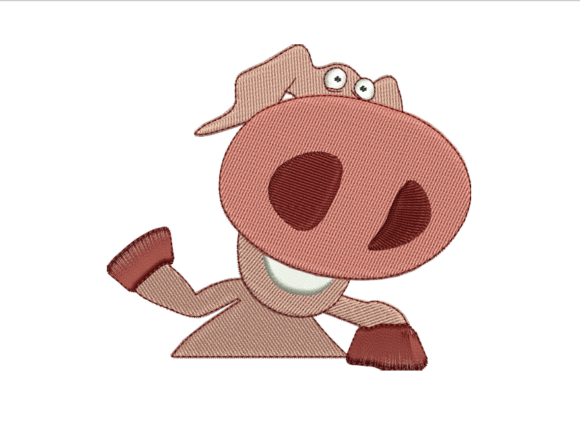
The layout of Happy Pig is surprisingly efficient. For a farm animal theme, designers often get caught up in adding too much background detail like fences or barns, which can clutter small products. This design keeps the focus entirely on the character itself. The shape is rounded and inviting, creating a natural focal point whether it is placed on the chest of a sweatshirt or centered on a baby onesie.
From a design perspective, the balance between different stitch types is excellent. The face likely utilizes satin stitches to give the features a smooth, polished look, while the body probably relies on fill stitches to create texture without overwhelming the fabric. If you are an Etsy seller looking to create a unique brand identity, having a design that balances detail with simplicity is crucial. It allows the product to feel handmade and artisanal rather than mass-produced and generic. The visual weight of the pig is substantial enough to hold attention but light enough to not make a thin t-shirt feel stiff.
Real-World Application: From Tote Bags to Nursery Decor
Let's talk about how this actually performs in a business setting. I recently considered using Happy Pig for a line of custom tote bags intended for a local craft fair. The goal was to create a fun, approachable accessory that parents would want to buy for their children. When I mocked up the design on a canvas bag, the contrast was striking. The simple lines of the pig stood out beautifully against the textured weave of the cotton canvas.
This design also shines in the realm of personalized gifts. Imagine a holiday gift project where you embroider this onto a kitchen towel or a tea towel. The charm factor is high here. It appeals to both kids and elders, as the description suggests. An older relative might appreciate the nostalgic nod to farm life, while a child loves the bright, happy expression. In my experience, designs that bridge generational gaps tend to have higher perceived value because they appeal to a broader audience of gift-givers.
I also tested the concept of using this for a nursery decor item, such as a pillow cover. The soft, rounded edges of the pig design work exceptionally well in a nursery setting where sharp angles or aggressive colors might be avoided. It fits the aesthetic of a "Farm Animals" collection perfectly without feeling dated. Whether you are selling a finished product or offering a digital preview for a custom order, the visual appeal of Happy Pig is a strong selling point.
Where to Use It (And Where to Think Twice)
While I am a big fan of this design, no single file is a magic bullet for every situation. As an experienced designer, I need to be realistic about the limitations. Happy Pig is versatile, but it requires strategic placement depending on the garment type.
If you are working with stretchy fabrics like jersey knits for t-shirts or hoodies, you must ensure you are using the correct stabilizer. Without proper support, the fill stitches could pucker, ruining the clean look of the pig's face. Similarly, if you plan to place this on a cap or a curved surface, keep in mind that the curvature might distort the roundness of the design slightly. While minor distortion is normal, checking the fit on a sample hat before running a full batch is essential.
There are also scenarios where this design might struggle. Small hoop sizes are a common pitfall. If your machine only has a 4x4 inch hoop, check the dimensions of the pig closely. If the design includes tiny details like eyelashes or a snout texture, those elements might become muddy or disappear entirely when shrunk down. In such cases, the design loses its impact. Furthermore, on very dark fabrics, the thread color contrast becomes critical. If the pig is designed with light threads, it will pop beautifully, but if the original file uses dark tones on a black shirt, the visibility will be poor unless you adjust the thread palette.
Technical Notes for the Practical Maker
Before you rush to start your next embroidery project, there are a few practical steps I recommend taking to ensure success. First, always test the design on scrap fabric. This is non-negotiable. You need to see how the stitch density interacts with your specific fabric choice. Does the fabric show through? Is the back of the stitching messy? These factors affect the professionalism of your final product.
You should also review the stitch density carefully. High-density designs require more time and can sometimes cause thread breaks, especially on smaller machines. If the design feels too dense for the fabric you are using, consider adjusting the settings or choosing a lighter stabilizer. Additionally, inspect the small details. Sometimes, fine lines in a digital file don't translate well to physical thread, resulting in broken stitches or undefined shapes. If you are unsure about the specifics, check the product information again to confirm the recommended hoop size and file formats.
For those of you running a craft business or selling on platforms like Etsy, remember that licensing matters. Ensure you have the right to sell finished items made with this machine embroidery design. Some files are for personal use only, while others allow for commercial sales. Confirming these terms protects your shop and builds trust with your customers.
Final Thoughts on Value and Appeal
In the world of handmade goods, the difference between a good product and a great one often comes down to the details. Happy Pig offers a level of charm and clarity that elevates any project it touches. It transforms a simple piece of fabric into a conversation starter. Whether you are creating a boutique product for a local market or a personalized gift for a family member, this design delivers on its promise of joy.
It is a reliable asset for any digital embroidery file library. It works well for sweatshirt embroidery, baby embroidery, and even as an embroidered patch for jackets. The key is to respect the design's strengths by matching it with appropriate materials and techniques. When done right, the result is a finished product that exudes quality and care. For designers and makers who want to add a touch of whimsy to their portfolio without sacrificing professional standards, Happy Pig is a smart, practical choice.