Reviewing Dummy for Your Holiday Embroidery Collection
As an experienced embroidery designer, I spend a lot of time curating digital files that will transform into tangible treasures for my customers. When I first encountered the Dummy design, my initial thought was not just about its technical specifications, but about the emotional connection it could forge with holiday shoppers. In the world of seasonal product creation, a single design file can define the success of an entire collection. This review explores how Dummy, categorized under Toys and Embroidery, fits into the bustling landscape of holiday crafting, Etsy selling, and small business product drops.
The First Impression: Mood and Aesthetic Appeal
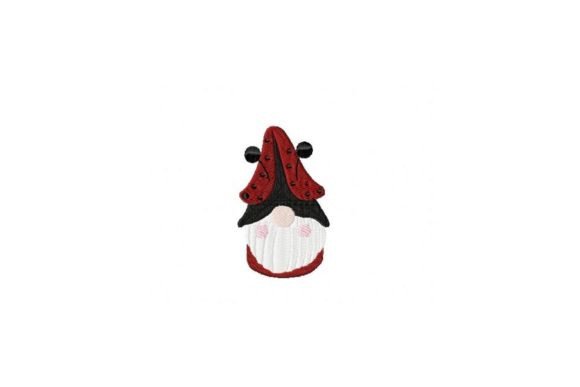
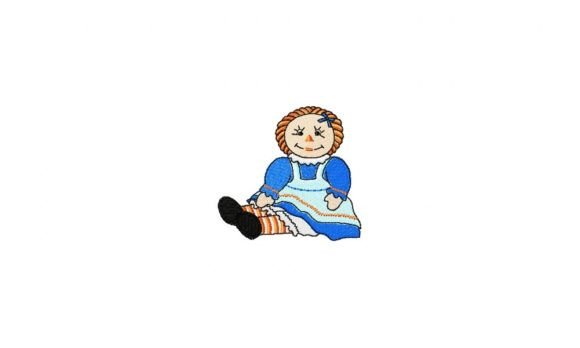
When evaluating any machine embroidery design for the holidays, the immediate question is always about the mood. Does it feel cozy? Is it playful enough for children's items, or elegant enough for home decor? The Dummy design presents itself as a versatile piece that bridges the gap between festive fun and high-quality craftsmanship. While the specific visual style depends on the intricate details within the file, the potential for this design to serve as a centerpiece for seasonal products is evident.
In my experience, successful holiday designs must balance detail with clarity. A design that looks stunning in a digital preview must also hold up when stitched onto various fabrics. Dummy appears to offer a level of detail that promises a premium finish, whether it is being applied to a soft sweatshirt or a structured tote bag. For sellers looking to create a cohesive brand identity during the holiday season, having a design that feels both modern and timeless is crucial. It suggests a product that customers will want to keep long after the decorations are put away.
Real-World Applications for Seasonal Products
The true test of any embroidery file lies in its versatility across different product types. During the holiday rush, creators often need to produce a wide array of items quickly. Here is how I envision Dummy performing in real-world scenarios for crafters and shop owners:
- Sweatshirt Embroidery: One of the most popular items for holiday gifts is a matching family sweatshirt. Dummy would work beautifully here, offering a focal point that adds personality without overwhelming the garment. The design's quality ensures it remains legible even on thicker cotton blends.
- Tote Bag Design: For the eco-conscious shopper, a canvas tote bag featuring Dummy makes for a perfect gift bundle. The sturdy fabric provides an excellent canvas for detailed stitching, making it ideal for carrying holiday treats or books.
- Kitchen Towel Embroidery: Nothing says "home" like a set of embroidered kitchen towels. Dummy can add a touch of whimsy or elegance to a hostess gift, transforming a simple linen item into a cherished keepsake.
- Pillow Cover: Home decor is a massive category during the holidays. Using this design on a throw pillow cover allows customers to bring a festive spirit into their living rooms. The design's depth will shine against textured fabrics like velvet or chenille.
- Baby Items and Aprons: For those creating personalized gifts for new parents, Dummy offers a gentle yet distinct look on baby onesies or aprons. It strikes the right balance between cute and professional.
- Embroidered Patch: If you specialize in accessories, converting Dummy into an embroidered patch opens up possibilities for jackets, hats, and bags. Patches are highly collectible and make excellent limited-edition holiday drops.
Navigating Technical Challenges and Limitations
While the potential is high, a responsible designer knows that every project has its constraints. Before adding Dummy to your inventory, there are several areas where caution is required. Not all digital embroidery files behave the same way on every material.
Small Hoop Sizes and Tiny Lettering: If your target market loves miniatures, be aware that very small hoop sizes might compress the details of Dummy. If the design contains tiny text or intricate elements, they may blur together when stitched on a 4x4 hoop. Always check the stitch density and ensure the smallest elements remain visible.
Fabric Texture and Thickness: Thick terry cloth towels or heavy denim can sometimes cause the needle to struggle, leading to uneven stitches. Conversely, stretchy garments like thin sweatshirts require careful stabilization to prevent puckering. You must use the proper stabilizer to support the fabric during the stitching process.
Dark Fabric and Thread Colors: Working with dark fabrics requires a different approach. You will need to select thread colors that provide sufficient contrast. Light threads may get lost on dark backgrounds unless you use a dense underlay or a specific stabilizing technique. Testing on scrap fabric is non-negotiable before mass production.
Metallic Thread and Repeated Washing: If you plan to use metallic threads to enhance the holiday feel, be prepared for potential breakage. Metallics require slower machine speeds and higher quality needles. Additionally, items intended for frequent washing, like aprons or baby clothes, need robust stitching to withstand the wear and tear of the wash cycle.
Boosting Sales Through Emotional Connection
Why does the quality of Dummy matter for your bottom line? In the competitive world of Etsy sellers and small shop products, visual recognition is key. A well-executed design builds customer trust. When a buyer sees a crisp, clean stitch job on a mockup, they assume the finished product will match that standard.
This design affects seasonal appeal by setting the tone for your brand. Whether you are selling handmade gifts or personalized gifts, the aesthetic consistency of your designs tells a story. Dummy, with its potential for high-quality output, helps elevate your brand from a generic seller to a curator of fine goods. This perception increases the perceived value of your items, allowing you to command better prices during the holiday shopping period.
Furthermore, strong designs drive engagement on social media. A high-resolution photo of Dummy stitched on a festive kitchen towel or a cozy sweatshirt can stop the scroll. These images serve as powerful tools for printable mockups and promotional graphics, drawing attention to your limited-time product drops.
Essential Designer Notes for Success
To ensure that your use of Dummy results in a profitable and satisfying outcome, follow these practical steps derived from years of industry experience:
- Test Thread Colors: Never guess. Stitch samples using both light and dark threads on your intended fabric to confirm visibility and texture.
- Check Stitch Density: Ensure the stitch density is appropriate for the fabric weight. Too much density can cause puckering; too little can look sparse.
- Confirm Hoop Size: Verify that the hoop size required for Dummy matches your equipment capabilities and the dimensions of your final product.
- Use Proper Stabilizer: Invest in high-quality stabilizers. They are the backbone of a clean stitch and prevent distortion on delicate or stretchy materials.
- Create Realistic Mockups: Use software to generate realistic printable mockups so customers can visualize the final product before purchasing.
- Review Small Details: Zoom in on the digitized file to inspect corners and curves. Sometimes, minor adjustments can save hours of rework.
- Plan Color Palettes: Develop a cohesive color palette for your holiday collection. Matching thread colors across different products creates a unified brand look.
- Verify Licensing: Before selling finished products, double-check the commercial licensing terms of the digital embroidery file to ensure you are legally compliant.
In conclusion, Dummy represents a promising addition to any seasonal collection. Its versatility across categories like toys, apparel, and home decor makes it a valuable asset for commercial embroidery projects. By paying attention to the technical nuances and focusing on the emotional impact of the design, you can create holiday products that resonate deeply with buyers. As you prepare your shop for the busy season, remember that the difference between a good product and a great one often comes down to the quality of the design and the care taken in its execution.