Volleyball Mom: A Designer's Real-World Review
As someone who has spent years turning digital files into tangible, stitched memories for clients and friends alike, I approach every new embroidery file with a mix of excitement and skepticism. There is nothing worse than loading a design onto the machine only to discover that the stitch density is off or the lettering is too small for the fabric you chose. Recently, I put the Volleyball Mom design through its paces in a real-world scenario. This isn't just about looking at a preview image; it is about understanding how this machine embroidery design holds up when it becomes part of a finished product that a customer will hold, wear, or gift.
The First Impression: Mood and Layout
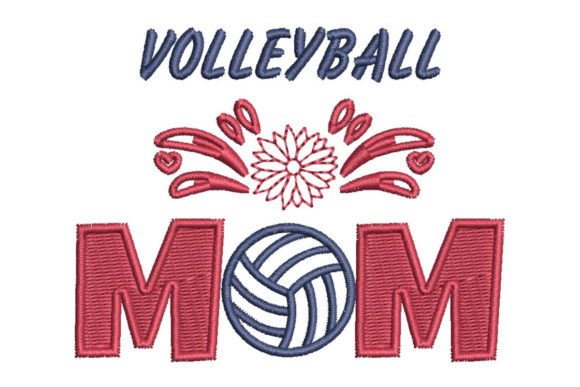
When I first opened the Volleyball Mom file, the immediate feeling was one of energetic warmth. The layout strikes a balance between sporty dynamism and maternal pride without feeling cluttered. For a designer, the initial visual personality is crucial because it dictates where the design belongs. Does it scream "gym bag" or whisper "nursery decor"? This design leans heavily into the former while maintaining enough softness to work on apparel.
The typography feels robust yet approachable, suggesting that the letters are meant to be read quickly by parents rushing from practice to practice. The shape of the design suggests a natural flow, which is excellent for curved surfaces like caps or rounded items like tote bags. It avoids the trap of being too generic; instead, it captures the specific spirit of the volleyball community. It feels ready to be a centerpiece for a custom sweatshirt or a decorative accent on a kitchen towel.
Real-Life Application: The Custom Tote Bag Project
To truly test the viability of Volleyball Mom, I decided to use it for a practical project: creating a branded tote bag for a local youth league fundraiser. This is a common request for Etsy sellers and small shop owners who need high-quality assets that can be produced efficiently. I selected a heavy-duty canvas material, knowing that the texture would challenge the thread colors and the stability of the stitches.
During the stitching process, the stitch density proved to be well-balanced. It wasn't so dense that the fabric puckered, nor was it so sparse that the background showed through on the lighter canvas. The design held its shape beautifully, even on the side seams of the bag where tension can sometimes cause distortion. When I pulled the finished product out of the hoop, the contrast between the thread and the fabric was striking. It looked professional immediately, which is exactly what you want when presenting a handmade product to a buyer.
I also considered how this might look on other items. Imagine this same design embroidered on a baby onesie for a toddler who is destined to play the game, or perhaps on a cozy fleece blanket for a parent cheering from the sidelines. The versatility is impressive. It transitions seamlessly from a tote bag design to a piece of baby embroidery without losing its identity. For commercial embroidery projects, this kind of adaptability is gold, allowing you to create a cohesive collection across different merchandise types.
Navigating Challenges: Where to Be Careful
While the design is strong, no single file works perfectly everywhere. As an experienced reviewer, I have to point out where Volleyball Mom might require extra attention. If you plan to use this on a dark fabric, you must carefully select your thread colors. A standard light thread might get lost against a navy or black background, requiring a underlay or a different colorway that isn't always standard. Always check the provided color palette before committing to a run.
Another area to watch is the hoop size. While the design scales well, attempting to stitch this on a very small surface, like a tiny patch or a detailed corner of a hat, could result in loss of detail. The curves might flatten out if the surface is too tight. Similarly, on stretchy fabrics like thin t-shirts, you need to ensure you are using the proper stabilizer. Without adequate support, the satin stitch sections could pull the fabric, leading to a distorted final look. For embroidered patches intended for iron-on application, the backing needs to be sturdy enough to handle the friction of the heat press without shifting the design.
If you are working with textured fabrics like boucle wool or thick terry cloth towels, the needle penetration might vary. In these cases, testing on a scrap piece of the exact same material is non-negotiable. You don't want to waste a precious gift item because the thread didn't lay flat on a nubby surface.
Visual Appeal and Customer Trust
In the world of craft business and online marketplaces, the quality of the embroidery speaks volumes about your brand. A sloppy stitch job can undermine the value of even the most expensive materials. Volleyball Mom contributes positively to the perceived value of your items. The clean lines and consistent fill suggest precision, which builds trust with buyers. When a customer sees a crisp, well-executed design on a personalized gift, they are more likely to return for future orders.
This design also enhances the emotional connection of the product. Whether it is a holiday gift for a coach or a wedding gift for a bride-to-be who loves sports, the design carries a clear message. It resonates with the target audience, making the item feel thoughtful and tailored. For digital product sellers creating printable mockups, this design offers a realistic representation of what the final outcome will look like, helping potential buyers visualize their purchase.
Practical Designer Notes for Success
Before you rush to start your production line, there are a few technical steps every designer should take. First, always test the design on scrap fabric first. This simple step saves time and money by revealing any issues with stabilizer choice or thread tension before you touch the final garment. Second, review the stitch density within your software. Ensure that the underlay is sufficient to prevent the fabric from showing through, especially on lighter threads.
Confirm the hoop size requirements listed in the file details to avoid scaling issues. Inspect small details closely; sometimes, tiny elements can become indistinct after stitching depending on the fabric. Test the design in black and white mockups to check for contrast issues that might not be obvious in full color. Compare how it looks on both light and dark fabric backgrounds to ensure versatility.
Use a proper stabilizer that matches the weight and stretch of your fabric. Check whether the design works for both personal and commercial projects by reviewing the license terms provided by the creator. Confirm licensing before selling finished items or digital products to protect your business. Finally, remember that while the files are tested prior to release, every machine and fabric combination behaves differently. Your eyes are the best tool for quality control.
Ultimately, Volleyball Mom stands out as a reliable asset for anyone looking to add a touch of sports enthusiasm to their embroidery project lineup. It balances aesthetic appeal with practical construction, making it a smart choice for custom apparel, aprons, pillow covers, and beyond. By treating it with the care it deserves during the setup phase, you can produce finished products that customers will love and cherish.