Mackerel Surfing: A Designer's Honest Review for Real Projects
As an experienced embroidery designer who spends hours testing files before committing them to a customer order, I am always looking for designs that offer more than just a cute image. I need reliability, clarity, and a stitch personality that translates well from the screen to the fabric. Recently, I came across Mackerel Surfing, a unique piece available on Creative Fabrica, and decided to put it through its paces to see if it deserves a spot in my commercial library.
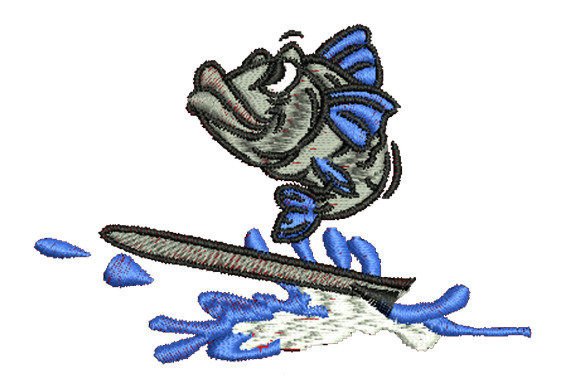
The product description highlights a surfing mackerel cartoon, perfect for fish lovers, restaurants, or fish shops. While the concept is charming, the real question for any of us creating handmade products is whether the execution holds up under the needle. After analyzing the design elements and considering various potential applications, here is my honest evaluation of how this file might perform in your next project.
First Impressions and Visual Appeal
When you first open the file, the mood of Mackerel Surfing is immediately apparent. It carries a playful, whimsical energy that stands out against the often serious or traditional motifs found in standard embroidery libraries. The character is depicted having fun, which gives the design a dynamic feel rather than a static one. For designers targeting a younger demographic or those selling at craft fairs, this kind of visual storytelling is gold.
The design naturally fits into categories like restaurant decor, fish shop branding, or casual apparel. However, the "cartoon" nature suggests that the line work and fill stitches need to be clean to avoid a muddy look when stitched. In my experience, designs with high detail levels can sometimes struggle on small items, so the balance between the surfboard details and the fish scales is crucial. If the file handles these transitions smoothly, it becomes a versatile asset for custom apparel or boutique merchandise.
Performance in Real Embroidery Work
Let's talk about how Mackerel Surfing behaves when moved from the digital realm to physical fabric. The primary consideration for any embroidery file is how the stitches lay down on different materials. This design seems ideal for medium-density projects where the focus is on the character itself.
- Apparel and Totes: On a tote bag or a sweatshirt, the design would likely pop nicely. The playful theme aligns perfectly with the casual nature of these items. However, if you are placing this on a stretchy fabric like a t-shirt, you must ensure the stabilizer choice is robust enough to prevent puckering around the curves of the surfboard.
- Kitchen and Home Decor: Imagine this embroidered on a kitchen towel or an apron for a seafood restaurant. The connection between the fish motif and the product creates an instant brand identity. It also works well as a decorative element on a pillow cover or a nursery item, adding a touch of seaside charm to a room.
- Small Items and Patches: For smaller projects like caps or embroidered patches, the scale of the design is critical. If the hoop size required is too large for a cap front, the design may need resizing, which can compromise the integrity of the stitches. Always check the dimensions before attempting to stitch this on a curved surface.
Practical Considerations and Technical Challenges
While the concept is strong, every machine embroidery design has its technical hurdles. When reviewing Mackerel Surfing, I had to consider several practical factors that could affect the final output.
Stitch Density and Detail: Cartoon-style designs often rely heavily on satin stitch for outlines and fill stitch for the body. If the density is too high, the fabric may become stiff, especially on delicate items like baby blankets or lightweight kitchen towels. Conversely, if the density is too low, the running stitch details might not hold their shape. I strongly advise checking the stitch count and density settings in your digitizing software before running a production batch.
Fabric Compatibility: The performance will vary significantly depending on what you are stitching. On dark fabrics, thread color contrast becomes a major issue. You will need to select thread colors that stand out sharply against the background, or consider using a light underlay to ensure the colors don't get lost. Textured fabrics, such as fleece or heavy canvas, can hide fine details, so a test run on scrap material is non-negotiable.
Licensing and File Details: Before purchasing or downloading, it is vital to review the specific licensing terms on the Creative Fabrica product page. Understanding whether you can sell finished items made with this design is essential for protecting your business. Additionally, verify the file formats and machine compatibility to ensure your equipment can read the data without errors.
Impact on Product Value and Brand Consistency
Using a unique design like Mackerel Surfing can significantly elevate the perceived value of your handmade products. Customers today are looking for items that tell a story or evoke a specific feeling. A design featuring a surfing fish brings a sense of joy and adventure that generic logos cannot match.
For Etsy sellers and digital product creators, this design offers a fresh angle for seasonal gifts or summer collections. When photographing your finished product, the bright and active nature of the fish allows for vibrant, engaging images that attract clicks and conversions. Consistency is key; if you build a brand around fun, aquatic themes, this design reinforces that identity perfectly.
However, trust is built on quality. If the stitch density is poor or the edges are jagged, even the best design will fail to impress. Ensuring that Mackerel Surfing looks crisp and professional is the only way to maintain buyer trust and encourage repeat customers.
Final Thoughts for the Creative Entrepreneur
In conclusion, Mackerel Surfing presents a compelling option for those looking to add a touch of whimsy to their embroidery portfolio. Its unique theme makes it suitable for a wide range of applications, from commercial embroidery for restaurants to personalized gifts for friends and family.
Before integrating this into your workflow, remember to test on scrap fabric, inspect small details after stitching, and confirm all file specifications. Whether you are creating a custom sweatshirt, a tote bag design, or a printable mockup for your shop, this design has the potential to be a standout piece. By approaching it with careful planning and attention to technical details, you can turn this cute cartoon fish into a successful commercial asset.
For anyone seeking to expand their collection of design assets or looking for a fresh digital embroidery file, Mackerel Surfing is definitely worth considering. Just take the time to evaluate its fit for your specific needs, and you may find it becomes a staple in your creative toolkit.