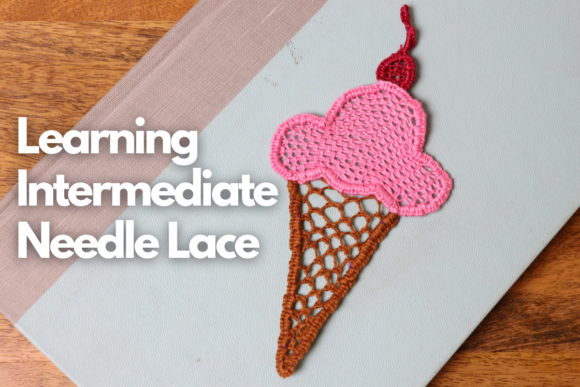
Learning Intermediate Needle Lace
As a designer who spends more time behind the hoop than in front of a screen, I approach every new embroidery design with a mix of excitement and skepticism. We have all seen the glossy mockups that promise perfection, only to find the final stitched result looking muddy or falling apart after one wash. That is why I am evaluating Learning Intermediate Needle Lace not just as a tutorial, but as a potential asset for my own client projects and small business merchandise. The premise here is compelling: moving beyond lace attached directly to the fabric to create detached pieces that stand on their own. This shift opens up a world of textural possibilities that standard satin stitches simply cannot replicate.
The First Impression: Texture and Visual Personality
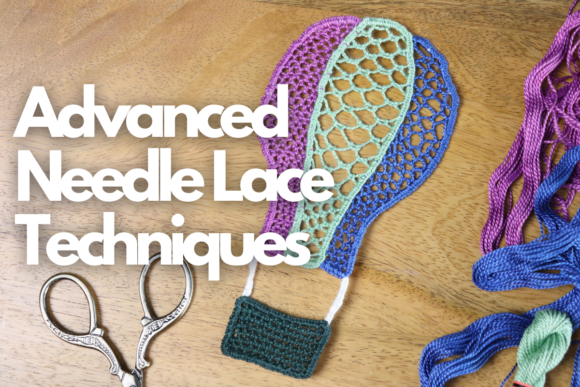
When you first look at the concept of Learning Intermediate Needle Lace, the immediate mood it sets is one of delicate sophistication. Unlike a bold fill stitch or a simple outline, needle lace implies a level of craftsmanship that elevates any product. The visual personality of this style is airy yet structured. It suggests a finished product that feels like heirloom quality rather than mass-produced decor. For an embroidery artist, the allure lies in the dimensionality; these designs do not just sit flat on the surface but offer depth and shadow that catch the light differently depending on the angle.
This design style naturally belongs in projects where elegance is paramount. Think of bridal accessories, high-end nursery decor, or boutique branding items. The intricate nature of the lace creates a focal point that draws the eye immediately. However, the real test for any designer is whether this aesthetic translates well into practical application. Does it hold its shape? Is it too fragile for everyday use? These are the questions we must answer before committing to a full production run.
Real-World Application: From Concept to Finished Product
I recently considered using the techniques from Learning Intermediate Needle Lace for a custom order involving personalized tote bags for a local artisan market. The goal was to create a unique selling point for a line of canvas bags that stood out from the generic floral prints flooding the Etsy marketplace. By integrating detached lace elements, perhaps as a central motif or a border accent, the bag would transform from a simple utility item into a statement piece.
In a scenario like this, the detached lace allows for layering. Imagine stitching a sturdy base onto the tote, then attaching a separate, intricately stitched lace panel that floats slightly above the fabric. This adds a tactile element that customers love to touch. Similarly, for a sweatshirt embroidery project, applying a small, detached lace motif near the collar or on the cuff could provide a subtle luxury feel without overwhelming the garment. The versatility extends to baby clothes as well; a soft, detached lace applique on a onesie or a crib bumper offers a gentle, timeless look that parents appreciate.
The potential for commercial embroidery is significant here. Small shop owners often struggle to differentiate their products. A design that incorporates intermediate needle lace techniques signals attention to detail and high value. Whether it is for holiday gifts, wedding favors, or custom aprons, the added texture justifies a higher price point. The design becomes a conversation starter, proving that the maker put thought and skill into the creation.
Strategic Considerations and Limitations
While the aesthetic appeal is undeniable, a professional designer knows that beauty must be balanced with durability. There are specific situations where Learning Intermediate Needle Lace requires careful handling. For instance, when working with small hoop sizes, the complexity of detached lace can become a challenge. If the design details are too fine relative to the available space, the threads may crowd each other, leading to puckering or loss of definition.
Fabric choice is equally critical. Textured fabrics like heavy denim or boucle can interfere with the smooth execution of delicate lace stitches. Thin or stretchy fabrics present another hurdle; without proper support, the weight of the lace or the tension of the stitches might cause the material to warp. Dark fabrics require a strategic approach to thread colors to ensure the lace stands out against the background, while layered garments or curved surfaces like caps demand precise planning to ensure the detached elements lay correctly without twisting.
Dense stitch areas in needle lace can sometimes trap lint or debris, which is a concern for items like kitchen towels or work aprons that undergo frequent washing. Furthermore, tiny lettering combined with lace motifs can become illegible if the scale is not managed perfectly. For products that need to withstand heavy wear and tear, such as children's clothing or outdoor gear, the fragility of detached lace might be a liability unless reinforced effectively.
Impact on Brand Value and Customer Trust
The decision to incorporate Learning Intermediate Needle Lace into your workflow has direct implications for brand consistency and buyer engagement. When a customer receives a handmade product featuring intricate, detached lace, they perceive a higher level of professionalism. It demonstrates that the creator understands advanced techniques and is willing to invest time in achieving superior results. This perception builds trust and encourages repeat business.
For digital product sellers, showcasing how this design looks in realistic mockups is essential. A printable mockup that highlights the dimensionality of the lace helps buyers visualize the final outcome. When used in digital embroidery files for commercial projects, ensuring the design assets are optimized for clarity ensures that the end user gets a clean result. The ability to create a unique, personalized gift with this technique also enhances the emotional value of the product, making it more memorable for the recipient.
Practical Designer Notes for Implementation
Before adding Learning Intermediate Needle Lace to your repertoire for client work, there are several technical steps you must take. First, always test the design on scrap fabric that matches your intended project material. This allows you to assess the stitch density and see how the detached elements behave under tension. Check the thread color contrast carefully; what looks good on a screen might disappear on a specific fabric shade.
Review the stitch types involved, particularly the running stitch and satin stitch combinations that form the lace structure. Ensure your hoop size is appropriate for the design dimensions to avoid distortion. Inspect small details closely to confirm they will stitch out cleanly on your machine. It is also wise to test the design in black and white mockups to verify the balance of positive and negative space. Compare how the design performs on both light and dark backgrounds to determine the best thread palette.
Using the proper stabilizer is non-negotiable for detached lace. You need a foundation that supports the fabric without adding unnecessary bulk. Finally, confirm the licensing terms explicitly. While many classes allow for personal use, selling finished items made from the design often requires a commercial license. Do not assume permissions; verify them before listing any handmade product on platforms like Etsy or at craft fairs. By following these guidelines, you ensure that your use of Learning Intermediate Needle Lace results in a polished, durable, and highly desirable finished product.