Review: How to Embroider on Clothing for Boutique Drops
As an experienced embroidery designer, I am constantly evaluating new resources before committing them to a production run. Recently, I reviewed How to Embroider on Clothing, a class led by embroidery artist Charlie, with the specific intention of applying its techniques to a premium sweatshirt collection for a small boutique brand. My goal was to determine if this resource could elevate our handmade product line from simple craft projects to high-end commercial apparel. After analyzing the design assets and the instructional content, I have compiled my professional assessment on how these methods translate to real-world boutique applications.
The First Impression: Mood and Aesthetic Potential
When I first opened the materials for How to Embroider on Clothing, the immediate feeling was one of versatility. The title suggests a foundational approach, but the visual examples hinted at a sophisticated execution suitable for modern streetwear. For a limited sweatshirt drop, the aesthetic needs to strike a balance between casual comfort and intentional design. This class provides the tools to achieve that "hand-stitched" look without it appearing amateurish.
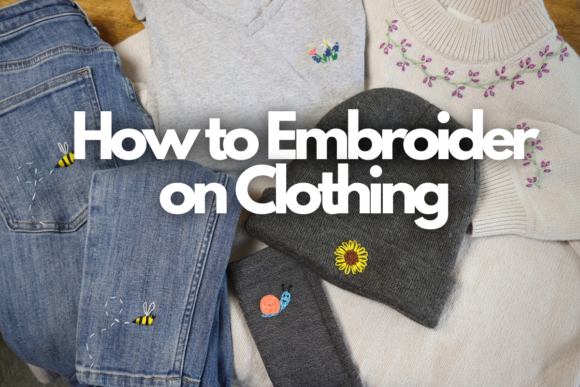
The potential for neutral sweatshirts is particularly strong. When applied to heather grey or oatmeal fabrics, the hand-stitched decorations suggested in the curriculum create a rustic yet refined texture. On dark fabric, the thread colors required for this style need careful selection to ensure visibility, but the guidance offered here helps navigate those contrasts effectively. Whether you are aiming for a playful vibe on pastel colors or a bold statement on oversized hoodies, the principles taught allow for a dynamic range of expressions. It feels less like a generic template and more like a set of skills that can be adapted to fit a feminine, minimal, or decorative brand identity.
Application on Premium Sweatshirts and Hoodies
Translating these concepts into actual sweatshirt embroidery requires a strategic approach to placement. In the context of a boutique brand, chest placement is the most common request, but the real value lies in how the design interacts with the garment's structure. The techniques covered in How to Embroider on Clothing emphasize stitch density and fabric interaction, which are critical when working with the thick fleece of a hoodie.
- Chest Placement: For a cozy seasonal apparel piece, a smaller, intricate motif works best. The class teaches how to maintain detail even when scaling down, ensuring the design remains readable and does not pucker the heavy fabric.
- Sleeve Accents: Moving away from the center, the skills learned here allow for subtle sleeve accents that add a touch of personality without overwhelming the silhouette. This is perfect for hoodie design where the main graphic might be reserved for the back.
- Back Designs: For larger statements, the instructional content supports creating expansive layouts that feel cohesive with the rest of the collection. This is essential for creating a unified look across a drop of custom apparel.
Practical Concerns for Commercial Production
For any Etsy seller or small shop product owner, the difference between a hobbyist project and a sellable item often comes down to technical execution. One of the primary concerns when using How to Embroider on Clothing techniques is thread color contrast. The class provides excellent advice on selecting hues that pop against various fabric textures, ensuring the finished product looks vibrant under studio lighting for lifestyle product photography.
Stitch density is another critical factor. Thick fabrics require a robust underlay and precise stitching to prevent the design from sinking into the material. The review of the class materials indicates that Charlie offers practical tips on managing this, which is vital for maintaining the structural integrity of the embroidery. Without proper attention to density, a design can look messy or cause the fabric to warp, reducing the perceived value of the item.
I also had to consider hoop size limitations and stabilizer choice. Not all designs work well on every machine, and the instructions provided help designers understand how to select the right stabilizer to support the weight of the threads. This ensures that the finished product withstands multiple washes, a non-negotiable standard for commercial embroidery and customer trust.
Building Brand Identity and Customer Trust
Beyond the technical mechanics, How to Embroider on Clothing serves as a powerful tool for branding. In the crowded market of digital sellers and creative entrepreneurs, visual recognition is key. Handmade presentation signals quality and care, which directly influences buyer trust. When a customer sees a well-executed, hand-stitched decoration on a premium sweatshirt, they perceive higher value in the boutique brand.
This class helps artisans create designs that feel personal and unique. By mastering the techniques to spice up your wardrobe with hand-stitched decorations, you are essentially building a signature style. Whether you are creating mockup previews for listings or designing actual merchandise, the ability to produce clean, durable, and aesthetically pleasing embroidery sets you apart. It transforms a basic garment into a statement piece that encourages customer engagement and repeat business.
Final Verdict for Designers
Overall, How to Embroider on Clothing is a valuable resource for anyone looking to integrate embroidery into their apparel business. It bridges the gap between theoretical knowledge and practical application, offering insights that are immediately usable for machine embroidery design and embroidery file preparation. However, as with any production process, it is crucial to verify specific technical details before starting a large run. Readers should check the exact stitch count, file format compatibility, and recommended hoop sizes included in the course materials to ensure they match their specific equipment.
If you are ready to take your custom apparel offerings to the next level, this class provides the foundation needed to execute professional-grade results. By focusing on the nuances of thread selection, fabric handling, and design layout, you can create a collection that resonates with your audience and stands out in the marketplace. For those passionate about Embroidery and dedicated to learning through expert-led Classes, this is a worthwhile investment in your creative career.