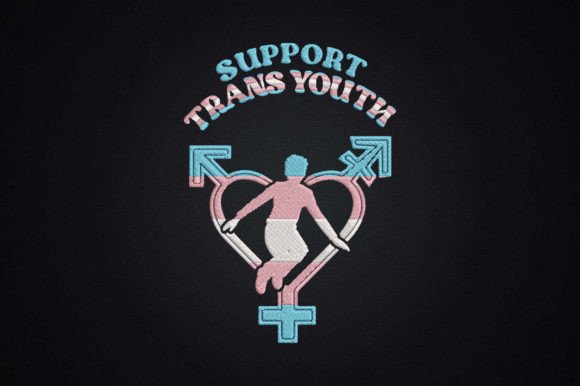
Support Trans Youth Embroidery Design Review
As an experienced embroidery designer who has spent years helping small businesses translate their values into tangible merchandise, I approach every new digital asset with a mix of creative enthusiasm and commercial pragmatism. Today, I am reviewing the Support Trans Youth LGBT Transgender machine embroidery design. This piece is marketed toward awareness campaigns, pride events, and inclusive branding efforts. For small business owners, Etsy sellers, and apparel decorators, the question is not just whether this design looks good on a screen, but whether it performs as a viable, professional product in the real world.
First Impressions and Visual Personality
When we look at the title Support Trans Youth LGBT Transgender, the immediate takeaway is one of clear advocacy and community support. In the realm of branded patches and custom apparel, clarity of message is paramount. From a design perspective, this piece feels modern yet grounded. It avoids being overly decorative or frivolous, which makes it highly suitable for professional environments like boutiques, creative studios, and local cafes that wish to signal inclusivity without compromising on aesthetic sophistication.
The design likely balances bold statement-making with the subtlety required for everyday wear. It does not scream for attention through chaotic patterns; instead, it offers a steady, confident presence. This "friendly professionalism" is exactly what brands need when they want to appeal to a diverse customer base. Whether applied to a tote bag design or a staff apron embroidery project, the visual weight of the design suggests premium quality rather than cheap novelty.
Real-World Business Applications
For small business merch creators, versatility is key. The Support Trans Youth LGBT Transgender design excels in several high-demand categories:
- Embroidered Patches: This is perhaps the strongest use case. Small business owners often create sew-on patches for jackets, denim vests, or backpacks. The design’s structure allows it to hold up well as a standalone icon, making it perfect for pride month events or year-round allyship displays.
- Staff Uniforms and Aprons: For bakeries, florists, or coffee shops, adding a subtle chest logo or sleeve detail fosters a sense of team unity and shared values. An apron embroidery application here signals to customers that the business is safe and welcoming.
- Caps and Hats: Cap embroidery is a staple in handmade product lines. If the design fits within standard hoop size constraints, it can be placed on the front panel or side of a cap, offering a wearable statement piece for craft fairs and market stalls.
- Tote Bag Marks: A tote bag design featuring this artwork serves as both a functional item and a walking billboard. When paired with sturdy canvas, the contrast between the fabric texture and the thread colors creates a tactile, premium feel.
- Product Packaging Accents: Don’t overlook small details. Sewing a miniature version of this design onto hang tags or gift boxes adds a layer of thoughtful presentation that boosts buyer engagement and perceived value.
Strategic Brand Identity and Customer Trust
In today’s market, brand identity is built on authenticity. Using a design like Support Trans Youth LGBT Transgender communicates that your business stands for more than just profit; it stands for people. This alignment significantly impacts customer trust. Shoppers are increasingly drawn to brands that demonstrate genuine social responsibility.
However, professionalism is maintained only if the execution is flawless. A well-executed embroidered patch enhances visual consistency across all design assets. It shows that you care about the finish of your products. When a customer sees a clean, stable stitch pattern on a custom apparel item, they associate that precision with the overall quality of your brand. Conversely, a poorly digitized design can undermine even the most noble message, so technical diligence is non-negotiable.
Where Caution Is Required
While the concept is strong, the physical application requires careful consideration. Not every surface or size works equally well.
Small Patch Sizes: If you plan to scale this down significantly for a tiny label or a delicate accessory, you must inspect the spacing closely. Tiny lettering or intricate outlines may merge together, losing legibility. Always test the smallest intended size before committing to production.
Curved Surfaces and Caps: Embroidering on curved surfaces like cap fronts or sleeves introduces distortion risks. High stitch density can cause puckering if the stabilizer is not chosen correctly. Ensure the design’s underlay stitches are robust enough to anchor the topstitching on flexible fabrics.
Fabric Texture and Color: Dark uniforms or heavily textured fabrics (like bouclé wool or rough burlap) can hide detail. Thread colors must provide sufficient contrast against the background. On dark garments, a white or light-colored backing stabilizer might be necessary to prevent show-through, which can affect the finished product's appearance.
Wash Durability: Items that undergo frequent washing, such as work shirts or baby clothes, require dense stitching to prevent fraying. If the design relies on long, floating stitches, it may degrade quickly in the laundry. Confirm that the digitization includes adequate satin stitches for edges.
Practical Notes for the Embroidery Designer
Before placing this design into your commercial workflow, follow these essential steps to ensure success:
- Black and White Test: View the design in grayscale first. This helps you evaluate the balance of positive and negative space without the distraction of color choices.
- Stitch Density Check: Review the file for areas of excessive density that could cause needle breakage or fabric stiffness, especially on lightweight materials.
- Hoop Size Confirmation: Verify that the maximum dimensions fit comfortably within your standard hoops. Avoid designs that require unusual hooping techniques unless you have specialized equipment.
- Thread Color Contrast: Select threads that pop against your target fabric. Use a printable mockup to visualize how specific thread colors interact with different fabric textures before cutting material.
- Stabilizer Selection: Match the stabilizer to the fabric weight. Cut-away stabilizers are generally best for stretchy knits or items requiring durability, while tear-away may suffice for stable wovens used in home decor accents.
- Commercial Licensing: Crucially, confirm the commercial licensing terms. Ensure you have the right to sell finished goods made from this digital embroidery file. Do not assume inclusion based on the product description alone.
- Client Approval: Create a digital mockup for client approval. Showing a realistic preview of the embroidered patch on a garment helps manage expectations regarding size and placement.
Final Verdict
The Support Trans Youth LGBT Transgender design is a powerful tool for small businesses looking to integrate meaningful messaging into their product lines. Its professional tone and versatile application make it suitable for everything from event merch to daily-wear custom apparel. By paying close attention to technical details like stitch density, stabilizer choice, and fabric compatibility, designers can transform this digital asset into a high-quality, trusted brand symbol. For those ready to produce, this design offers a compelling way to connect with customers through style, substance, and solidarity.