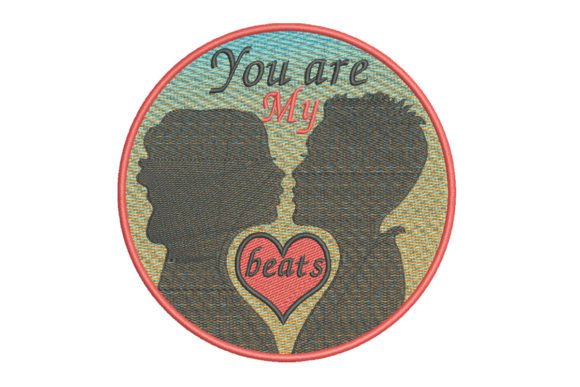
Loving Couple Embroidery Design Review
As an experienced embroidery designer who has spent countless weekends setting up booths at local craft fairs and managing a busy handmade shop, I know that the difference between a product that sits on a table and one that flies off the shelf often comes down to a single design choice. When I first encountered the Loving Couple machine embroidery design, my mind immediately went to the practicalities of production. Could this design hold its own in a crowded booth? Would it photograph well for Etsy listings? And most importantly, would customers feel an immediate connection to it?
The title suggests something sweet and relational, perfect for the upcoming Valentine's Day season, but as a professional, I look beyond the name. The description promises a quick and easy way to add personality to fabric, which is music to my ears for high-volume production. In the world of handmade products, speed without sacrificing quality is the holy grail. This review breaks down exactly how Loving Couple performs when turned into real-world goods like tote bags, aprons, and market accessories.
First Impressions and Market Appeal
When you glance at the Loving Couple design file, does it scream "mass-produced" or "artisanal"? Based on the promise of adding a touch of personality, this design leans heavily into the cute and decorative category. It feels soft yet distinct, making it versatile enough to fit farmhouse aesthetics or modern boutique styles. For a craft fair seller, the visual appeal must be instant. A customer walking by a booth filled with embroidered goods needs to stop within seconds.
This design excels because it acts as a focal point without being overwhelming. Whether used on a simple white tea towel or a denim tote bag, the imagery of a couple resonates emotionally. It taps into the desire for gifts that say "I love you" without needing a card. For Etsy sellers and digital designers creating printable mockups, this is a goldmine. The design translates beautifully from a small accent on a cap to a larger statement piece on home decor, ensuring that your brand remains consistent across different product lines.
Product Versatility: Where Loving Couple Shines
In my experience preparing for a weekend market, not every design works on every item. Some are too delicate for heavy canvas, while others get lost on curved surfaces. Here is how Loving Couple stacks up against popular craft fair inventory:
- Tote Bag Design: This is arguably the strongest use case. Tote bags are ubiquitous at markets, and a well-placed embroidered patch or direct stitch of this design adds significant value. The design likely photographs exceptionally well here, drawing the eye to the center of the bag where the stitching stands out against the fabric texture.
- Apron Embroidery: Kitchen aprons are a staple gift item. Placing Loving Couple near the chest or pocket area creates a charming detail. It transforms a functional kitchen tool into a sentimental keepsake, perfect for couples who enjoy cooking together.
- Tea Towel Embroidery: Linen or cotton tea towels offer a smooth surface that allows for crisp stitching. If the design includes fine details, these will pop on light-colored towels, making them ideal for gift sets sold as pairs.
- Caps and Patches: For smaller items like caps, the design needs to be compact. If Loving Couple is scaled correctly, it serves as a subtle logo-like element. As a separate embroidered patch, it can be sewn onto jackets or backpacks, expanding your product range significantly.
- Pillow Covers and Pouches: These items allow for larger designs. A pillow cover featuring this motif becomes a centerpiece for a living room display, while small pouches make excellent low-cost impulse buys for shoppers looking for a small token of affection.
Production Practicality and Batch Efficiency
Running a small shop product business requires efficiency. You cannot spend twenty minutes stabilizing and hooping for a single $15 item. The description notes that this is a "quick and easy" design, which implies lower stitch counts and simpler digitization. This is crucial for commercial embroidery where time equals profit.
If the design is straightforward, it is highly repeatable for batch production. You can set up a run of ten aprons or five tote bags with minimal interruptions. Furthermore, the design should photograph easily for online listings. A clean, clear image of the finished product is essential for converting browsers into buyers. Because the design is meant to add personality, it likely avoids overly complex backgrounds that might clutter a photo, allowing the product itself to take center stage.
Critical Considerations for Quality Control
Even the best-looking embroidery file can fail if the technical execution is ignored. Before turning Loving Couple into a sellable item, there are specific areas to watch. Dense stitch areas can sometimes cause puckering on thin fabrics, so testing on scrap material is non-negotiable. If the design features tiny details or small lettering, ensure they remain legible. On textured towels or thick denim, fine threads might disappear, reducing the perceived quality of the finished product.
Fabric texture plays a massive role in visual appeal. A smooth cotton twill will render the design differently than a slubby linen. Dark fabrics require careful thread color selection; if the design relies on contrast, using a dark background with light thread (or vice versa) ensures the stitch density reads clearly. Additionally, when working with curved surfaces like caps, the design may need to be adjusted to accommodate the curve, or it might appear distorted to the naked eye.
Designer Notes for Success
To ensure your booth display strength is maximized, follow these practical steps before mass producing. First, always test the design on scrap fabric that matches your final product. Check the thread colors to ensure they complement the fabric rather than clashing. Review the spacing within the hoop to avoid cutting off parts of the design during the stitching process.
Confirming the hoop size is vital; a design that fits perfectly in a 4x4 hoop might need to be split or resized for a 6x10 frame, affecting the overall look. Inspect the stitch density closely; if it is too tight, the fabric will warp, making the item look cheap. Use the right stabilizer for the fabric weight—cut-away for stretchy knits like t-shirts and tear-away for stable wovens like towels.
Create at least one real mockup to see how the item looks in natural lighting, not just under studio lights. Compare different fabric colors to find the most attractive combination. Finally, confirm commercial licensing before selling finished products. Using a digital embroidery file without the proper license can lead to legal issues for your business.
Final Verdict
Loving Couple is more than just a pretty pattern; it is a strategic asset for any creative entrepreneur. It balances emotional appeal with production efficiency, making it ideal for everything from Valentine S Day specials to year-round gift collections. By understanding its strengths on various textiles and adhering to strict quality control measures, you can transform this design into a top-selling line item. Whether you are hanging your hat at a bustling craft fair or running a thriving online store, this design offers the versatility and charm needed to engage buyers and build a loyal customer base.