Dwarf Boo Embroidery Design Review
As an embroidery designer who has spent years translating digital art into tangible stitches, I approach every new download with a mix of excitement and skepticism. The market for personalized gift products is saturated, so finding a design that truly stands out requires more than just cuteness—it requires technical viability and emotional resonance. Today, I am reviewing the Dwarf Boo machine embroidery design from the Fairy Tales category to determine if it deserves a spot in my studio’s library for commercial use.
First Impressions: Charm Meets Technical Potential
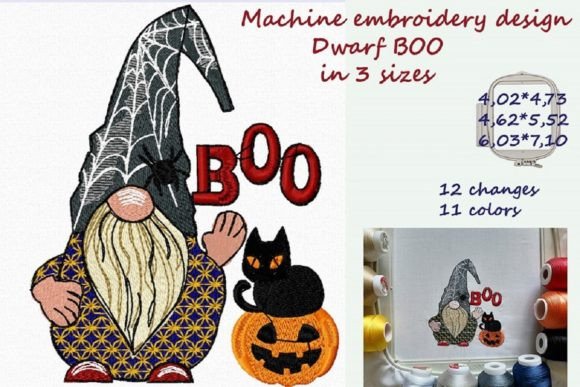
When I first loaded the Dwarf Boo embroidery file into my hoop, the immediate takeaway was its distinct mood. It isn’t just a generic ghost or a standard fairy tale character; it possesses a playful yet sweet charm that feels both modern and classic. For designers looking to create handmade product lines, this distinction is vital. The design strikes a balance between whimsical and elegant, making it versatile enough for various demographics.
The detail level is impressive without being overwhelming. In my experience, overly complex designs often lose their shape on softer fabrics like knitwear or linen. However, Dwarf Boo seems engineered with clear stitch paths that maintain definition even at smaller scales. This makes it an excellent candidate for custom embroidery projects where precision matters. The emotional appeal is strong; it evokes a sense of warmth and nostalgia, which are key drivers for customers purchasing gifts for loved ones.
Ideal Applications for Personalized Gifts
One of the primary reasons I evaluate these designs is to see where they fit best in a retail context. Dwarf Boo is incredibly adaptable. Here is how I envision this design performing across different product categories:
- Baby Embroidery Items: The soft, rounded aesthetic of Dwarf Boo is perfect for nursery decor. Imagine this stitched onto a receiving blanket or a muslin burp cloth. Because it comes with instructions for water-soluble film, you can achieve clean edges on delicate baby knits without puckering, ensuring the final product is safe and comfortable for infants.
- Wedding Keepsakes: While not traditional, unique themes are trending. Dwarf Boo could work beautifully as a quirky favor tag on wedding cookies or embroidered on linen napkins for a rehearsal dinner. It adds a touch of personality that breaks away from formal floral motifs.
- Kitchen and Home Textiles: An embroidered towel featuring this character adds a dash of humor and warmth to any kitchen. Similarly, a pillow cover with this design brings a cozy, storybook vibe to a living room. These items make excellent Etsy seller listings because they serve as functional decor with a personal touch.
- Apparel and Accessories: For small shop product creators, this design works well on aprons, tote bags, and even hoodies. The playful nature of the character appeals to children and adults alike, broadening your potential customer base.
Technical Considerations and Fabric Compatibility
Not all fabrics play nice with every design, and understanding the limitations of Dwarf Boo is crucial for maintaining quality. The description notes suitability for linen and knitwear, but let’s dig deeper into the practicalities.
Stitch Density and Stabilizer: Before committing to a full production run, always test the stitch density. If the design is too dense, it may feel stiff on a baby blanket or distort the weave of lightweight linen. You will likely need a cut-away stabilizer for knits to prevent stretching during stitching, whereas a tear-away might suffice for stable woven linens. Always confirm the recommended stabilizer type before stitching.
Thread Color Contrast: The visual impact of Dwarf Boo relies heavily on thread choice. On dark fabrics, ensure your thread colors provide sufficient contrast so the details remain visible. Conversely, on light fabrics, avoid threads that blend too closely with the material, as this can hide the intricate parts of the design. Creating a printable mockup with various thread color combinations can help visualize the final look before you spend time and materials.
Where to Exercise Caution
While Dwarf Boo is versatile, there are specific scenarios where you should proceed with caution:
- Small Lettering: If the design includes text, verify that the font size is legible after stitching. Small letters can become muddy if the hoop size is too tight or if the fabric moves during the process.
- Textured Fabrics: Avoid using this design on highly textured fabrics like chunky towels or bouclé wool. The needle penetration may be inconsistent, leading to skipped stitches or misalignment.
- Stretchy Surfaces: While knitwear is mentioned, extremely stretchy fabrics (like spandex blends) require extra stabilization. Without proper support, the design may warp once the garment is worn and stretched.
- Frequent Washing: For items like embroidered towel sets or baby blankets that undergo frequent laundering, ensure the backing is removed completely if using water-soluble film. Residue can irritate sensitive skin or attract dirt over time.
Impact on Giftability and Brand Trust
In the world of online selling, particularly for digital embroidery file users who also sell finished goods, presentation is everything. A well-executed Dwarf Boo design elevates the perceived value of a finished product. When a customer sees a cleanly stitched, charming character on a high-quality linen item, they associate that craftsmanship with reliability.
This design fosters an emotional connection. Buyers aren’t just purchasing a piece of cloth; they are buying a moment of joy or a memorable keepsake. For wedding gift designers or those creating baby product lines, this emotional hook is what drives conversions. High-quality photos of the finished embroidery, showing the texture of the stitches and the softness of the fabric, further enhance buyer engagement and trust.
Practical Next Steps for Designers
If you decide to incorporate Dwarf Boo into your workflow, follow these steps to ensure success:
- Test on Scrap Fabric: Never go straight to the final product. Stitch the design on scraps of the same fabric you plan to use to check for tension issues and color accuracy.
- Review File Formats: Ensure your machine supports the included embroidery file formats. Having multiple options is helpful, but compatibility varies by brand.
- Check Commercial Licensing: Before listing any commercial embroidery products on platforms like Etsy or Amazon, review the license terms associated with the design. Some designers allow unlimited commercial use, while others restrict the number of units sold.
- Compare Mockups: Use software to place the design on digital images of your products. This helps you identify potential issues with placement and scale before you invest in physical materials.
Ultimately, the Dwarf Boo design offers a delightful blend of charm and technical feasibility. Whether you are creating one-off custom orders or scaling up production for a boutique line, this design has the potential to become a staple in your repertoire. By paying attention to fabric choice, stabilization, and finishing techniques, you can transform this digital artwork into a treasured personalized gift that customers will cherish.