Cute Dog Corgi: A Designer's Review for Craft Fairs
As an experienced embroidery designer who has spent countless weekends prepping booths for local craft fairs and managing a busy handmade shop, I know that the difference between a design that gathers dust and one that sells out lies in its practical application. When I first saw the Cute Dog Corgi machine embroidery design, my immediate thought was not just about how it looks on a screen, but how it will perform under the bright lights of a vendor table or in the hands of a customer browsing a boutique shelf. This review breaks down exactly where this design fits in your product line and why it could be a standout piece for your next market.
First Impressions: The Vibe of Cute Dog Corgi
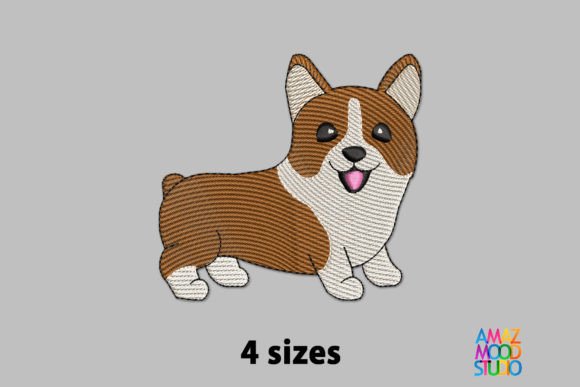
The title Cute Dog Corgi promises charm, and based on the description stating it adds a "lovely accent," this design leans heavily into the cute, modern, and soft aesthetic that dominates the handmade market today. It feels approachable rather than formal or overly rustic. For a craft fair booth, this is gold. Customers are drawn to designs that evoke an emotional connection, and a corgi is practically guaranteed to spark a smile. It strikes a balance between being a playful focal point and a subtle decorative touch, making it versatile enough for various product types without overwhelming the fabric texture.
Where Cute Dog Corgi Shines on Products
In my experience testing designs for real-world production, knowing which items to prioritize is crucial. Here is how Cute Dog Corgi performs across key categories:
- Tote Bags and Market Bags: This is arguably the best use case. A tote bag design needs to be visible but not intrusive. The corgi works perfectly as a centered chest logo or a larger graphic on the front panel. The "lovely accent" quality mentioned in the description suggests it won't look too heavy on canvas or cotton twill, ensuring the bag remains functional while looking stylish.
- Apron Embroidery: For the home cook or artisan baker selling their goods, an apron with this design adds instant personality. It photographs beautifully for Etsy listings and social media, signaling a fun, creative brand identity. It serves as a great conversation starter when customers ask about the finished product at a craft fair.
- Tea Towel Embroidery: Kitchen textiles are high-volume sellers. The design's clean lines likely translate well to the textured weave of a tea towel. However, you must ensure the thread colors contrast sharply against the towel fabric to maintain clarity.
- Embroidered Patches and Caps: If you plan to sell patches, this design is ideal because the subject matter (a dog) is universally appealing. On caps, the curved surface requires careful attention to placement, but a small-to-medium sized corgi can add a premium feel to a standard baseball cap.
- Pillow Covers and Fabric Pouches: These items benefit from the "lovely accent" nature of the design. They make excellent giftable handmade items that can be produced in batches, allowing you to fill a booth quickly with cohesive inventory.
Practical Selling and Production Points
When evaluating a digital embroidery file like Cute Dog Corgi, I always ask: Is it easy to understand at a glance? Does it photograph well? For online sellers, the answer to both is usually yes if the stitch density is balanced. A design that is too sparse looks unfinished, while one that is too dense can pucker the fabric. This design appears to be optimized for clear visibility, which is essential for Etsy seller photos where customers cannot touch the item.
For batch production, repeatability is key. If the design requires constant re-hooping or complex color changes that slow down your workflow, it may hurt your profit margins. Assuming the file includes multiple sizes as hinted by the phrase "multiple embroid," you can easily create a range of products from small pouches to large pillows using the same core asset. This consistency helps build a strong brand identity for your small shop product line.
Important Considerations for Quality Control
Even the cutest design can fail if technical details are overlooked. Before turning this into a commercial product, you need to consider several factors regarding stitch density and fabric choice.
- Dense Stitch Areas: Check the areas around the ears and face of the corgi. If the stitches are too tight, they may cause the fabric to pucker, especially on lightweight materials. Always test on scrap fabric first.
- Small Details: Tiny details often get lost on thick fabrics or textured towels. Ensure the design retains its shape when stitched on your intended material.
- Curved Surfaces: When placing this on caps or rounded pouches, the design might distort if the hoop size is not appropriate. Confirm the hoop size required for the specific digitization before starting production.
- Fabric Texture: The visual appeal of the design relies on the contrast between the thread and the fabric. Dark fabrics require light threads, and vice versa. Test your thread colors against your actual inventory to ensure the corgi pops.
Designer Notes for Maximum Impact
To ensure your finished product looks professional and commands a higher price point, follow these steps. First, create at least one real mockup. Do not rely solely on a printable mockup; physical samples show the true depth and texture of the embroidery. Second, inspect the stabilizer usage. Using the wrong stabilizer can ruin even the best embroidery file. For stable results, use a cut-away stabilizer for stretchy fabrics like jersey or a tear-away for wovens, depending on the garment type.
Finally, verify your commercial licensing before selling. Many digital embroidery files come with restrictions on how many units you can produce. As a creative entrepreneur, protecting your business means understanding the terms of the design assets you purchase. If the license allows for unlimited sales, you have the freedom to scale up your booth display. If it is limited, you may need to adjust your pricing or production volume accordingly.
Ultimately, the Cute Dog Corgi design offers a fantastic opportunity to capture the hearts of buyers at craft fairs and online markets. Its charming subject matter combined with its versatility makes it a strong candidate for a wide array of handmade products. By paying attention to the technical nuances of stitching and presentation, you can transform this simple design into a profitable centerpiece for your business.